
Startup Growth Stages: Play the Opening, Midgame & Endgame at Once
Updated On:
August 25, 2026

Most founders treat the stages of startup growth like a relay race. Run the Opening hard, hand the baton to the Midgame, then think about the Endgame once you've "made it." That sequencing feels logical. It's also how companies lose. The best founders, the ones Sequoia Capital identifies as truly exceptional, hold all three simultaneously from day one. That cognitive shift is the difference between a category leader and a cautious also-ran.
What the Three Stages of Startup Actually Mean
The Opening, Midgame, and Endgame framework didn't originate in an MBA classroom. Sequoia's analysis of exceptional founders identifies it as the lens through which the best operators think about building companies. Not phases to complete. Games to play concurrently.
The Opening is what most people picture when they say "early stage startup": speed, creativity, radical experimentation, founder energy. You're testing hypotheses, finding product-market fit, staying lean enough to pivot hard.
The Midgame is where most startups stall. Growth is confirmed, but now you need repeatable systems: hiring, process, team structure, go-to-market machinery. The chaos that served you brilliantly in the Opening becomes a liability here. Role clarity erodes as headcount grows, decision rights blur, and the team that once moved impossibly fast starts feeling sluggish.
The Endgame is the vision layer. Not a mission statement on the about page. The actual answer to: what does this company need to become in ten years to be genuinely category-defining? Which markets, which capabilities, which competitive moats?
Why Treating Them as Sequential Is a Strategic Mistake
Here's the problem: CB Insights' research on startup failure repeatedly surfaces inability to scale alongside lack of market need as the dominant causes of company death. Those two failure modes correspond almost exactly to the Opening and Midgame played in isolation. A team that executes Opening brilliantly but can't transition to Midgame systems collapses under its own momentum. A team that nails Midgame operations but never planted an Endgame flag finds itself well-organized and directionless.
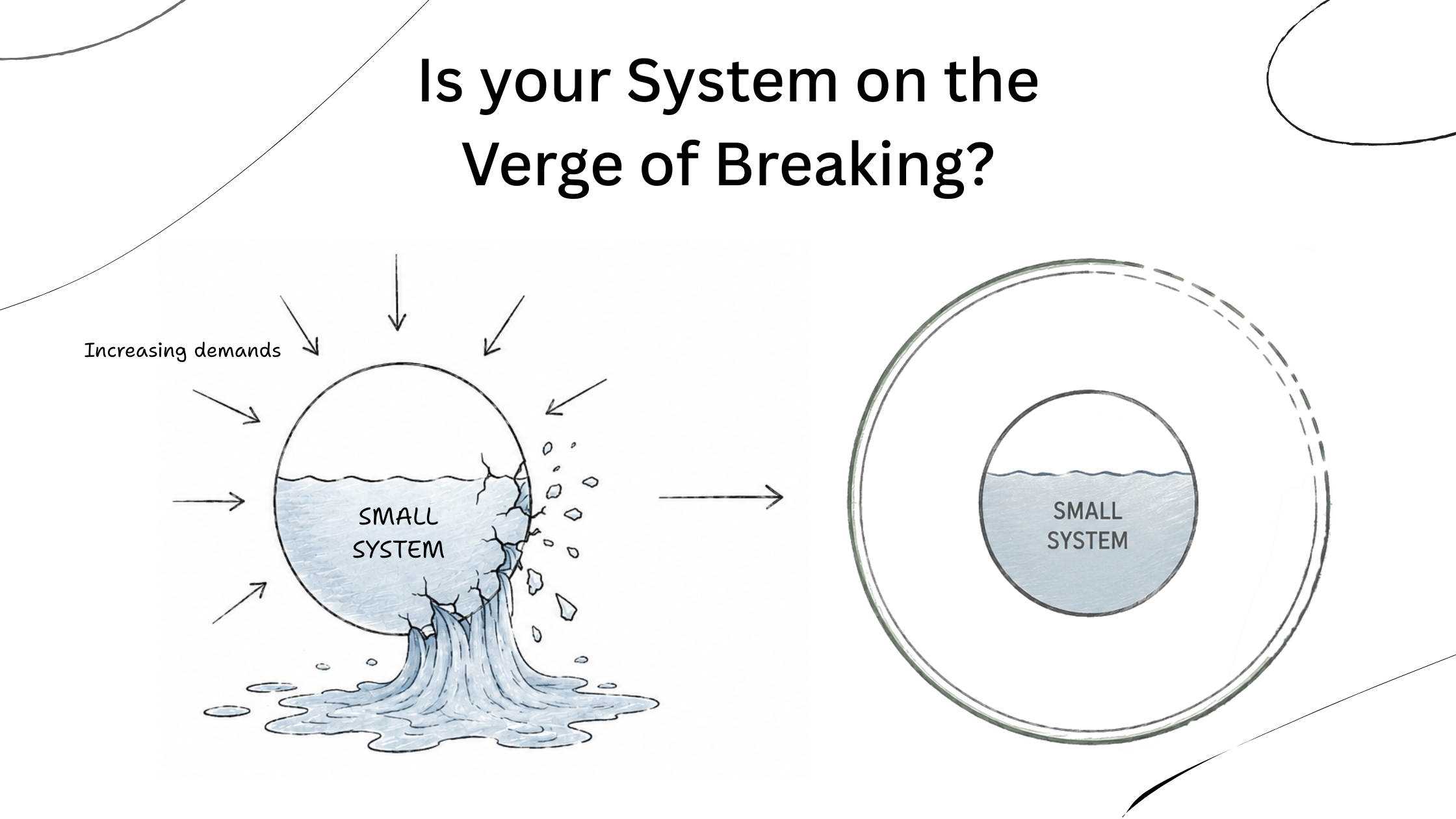
The valley of death startup problem is real, and it isn't just about cash. Companies die in the valley because the skills that got them there actively work against the skills they need next. Operating sequentially forces a full identity reset at each transition. That's why Bain's Founder's Mentality research shows that companies preserving founder-level speed, ownership, and insurgent thinking consistently outperform peers during growth phases. They're not cycling through games. They're playing all three.
Read more: Role Clarity: How to Find the Real Root Cause of Team Underperformance
What Opening-Only, Midgame-Only, and Endgame-Only Companies Actually Look Like
Opening-heavy companies are easy to spot. Fantastic at fundraising, magnetic for early recruits, relentlessly innovative. But their long-term vision is vague, a placeholder rather than a destination. The moment growth stalls, there's no magnetic north to rally around. Many AI startups fit this profile exactly: exceptional teams, real traction, zero credible Endgame articulated.
Endgame-heavy companies have the opposite problem. Bold, technically deep, genuinely ambitious. The weakness? They hit the valley of death because they can't generate sufficient Midgame traction fast enough to survive. They run out of runway before the vision becomes real. Capital is patient until it isn't.
Midgame-heavy companies are perhaps the most insidious failure mode. They look healthy from the outside. Strong operational cadence, clean processes, scalable go-to-market. But Harvard Business Review's coverage of innovation failure makes the pattern clear: companies that stop innovating as they mature create structural vulnerability to disruption. The "SaaSpocalypse," the wave of SaaS businesses that stalled despite solid operations, is what Midgame-only looks like at scale. Efficient. Bureaucratic. Disrupted.
How Startups Scale Successfully by Running All Three at Once
The counterintuitive insight here is that you don't need to be big to think Endgame-scale. Clay, nearly a decade old, still operates with the curiosity and pace of an early stage startup. That's a deliberate cultural choice, not an accident of company size. RunwayML built genuine Midgame momentum through open-source traction years before mainstream AI adoption, which meant the Endgame vision already had believers when the market caught up.
Anduril is perhaps the clearest example. They communicated a world-redefining defence technology vision from day one while simultaneously moving at Opening pace and building real Midgame revenue. Exceptional talent got recruited against the vision. Investor confidence was anchored to a credible destination. And the operational systems they built could actually support the scale the vision required. That combination is exactly what investors in 2026 are backing.
Read more: What Investors Look for in AI Companies in 2026: Why Revenue Per Headcount Matters
The startup roadmap that works isn't a sequence. It's a discipline of attention: what do we need to do today (Opening), what systems do we need to build now (Midgame), and what does this company need to become (Endgame)? Asked simultaneously, every single week.
McKinsey's research on long-term oriented companies makes the business case clear: those that invest earlier in talent, innovation, and capability building significantly outperform short-term focused peers in revenue growth, earnings, and market capitalisation. [Note: verify this figure is current before publishing]
The Three Questions Every CXO Should Ask Weekly
This framework isn't a slide for a board deck. It's an operating discipline. And the best way to build it is ruthlessly simple: three standing questions in every leadership conversation.
Opening: Are we still moving fast and experimenting like an early stage startup, or have we started protecting what exists?
Midgame: Are the systems, talent, and processes we're building genuinely scalable, or are we duct-taping solutions that will break at 3x our current size?
Endgame: Is our ten-year vision specific enough that exceptional people would join this company for it, or is it a placeholder we haven't challenged in two quarters?
Apply this in leadership offsites, board meetings, strategic planning sessions, and especially investor discussions. The startup growth stages explained as sequential phases will always sound reasonable. The founders playing all three at once will always build the better companies.
When the Games Collide: The Structural Reality of Scaling
Here's what nobody warns founders about: the Midgame, done well, actively threatens the Opening. Process kills pace. Structure creates politics. The team that moved impossibly fast at 12 people starts feeling sluggish at 60. And when you're scaling fast, one of the biggest drags on Opening energy is hiring friction. Waiting months to bring in senior capability slows everything else down. Fractional leadership can close that gap quickly without the overhead of a full-time search.
Read more: Why Fractional Executives Deliver More Value Than Full-Time Hires at a Third of the Cost
The best founders anticipate the collision. They build structural clarity deliberately during the Midgame precisely so Opening energy doesn't get strangled by ambiguity. The Endgame vision is what holds it together. It's the reason people tolerate the friction of scaling.
If You're Only Playing One Game, You'll Lose to Someone Playing Three
Sequential thinking about startup growth stages is comfortable. It lets you focus. It reduces cognitive load. That's exactly the problem. Your competitors who hold Opening energy, Midgame discipline, and Endgame vision simultaneously aren't smarter. They're just refusing the false comfort of doing one thing at a time.
The best companies aren't built phase by phase. They're built by leadership teams willing to hold three demanding questions in their heads at once, every week, without collapsing into the urgency of whatever's loudest today.
Frequently Asked Questions
What are the startup growth stages explained simply?
The three core stages are Opening (finding product-market fit with speed and experimentation), Midgame (building scalable systems and team structure during growth), and Endgame (pursuing category-defining long-term vision). The critical insight is that exceptional founders manage all three concurrently rather than treating them as sequential phases.
What is the valley of death in a startup?
The valley of death refers to the period between initial traction and sustainable scale where many startups run out of momentum, capital, or both. It typically hits companies that played the Opening game well but failed to develop Midgame systems, or companies with strong Endgame vision that couldn't generate sufficient near-term traction to survive long enough to reach it.
How do founders think long term without losing short-term execution?
The most effective approach is treating long-term thinking as a standing discipline rather than an occasional exercise. Asking Endgame questions weekly rather than annually keeps the vision active without displacing operational urgency. Companies like Anduril and Clay demonstrate that Opening-pace execution and Endgame-level clarity aren't mutually exclusive. They're mutually reinforcing.
What does a successful startup roadmap actually look like?
A successful startup roadmap isn't primarily a product or milestone chart. At the leadership level, it's a sustained practice of running three concurrent questions: what we're executing now (Opening), what systems we're building for scale (Midgame), and what the company needs to become to dominate its category (Endgame). Those three horizons should be visible and actively contested in every strategic conversation.
How do startups scale successfully beyond the early stage?
Companies that scale successfully tend to preserve founder-level speed and ownership even as they build operational structure, which Bain's research calls Founder's Mentality. The trap is letting Midgame process-building crowd out Opening experimentation and Endgame ambition. Scale requires systems, but the best systems are built by people who still think like insurgents.